
How an Iran Peace Deal Could Affect Your Money, Fuel Costs, and Everyday Spending
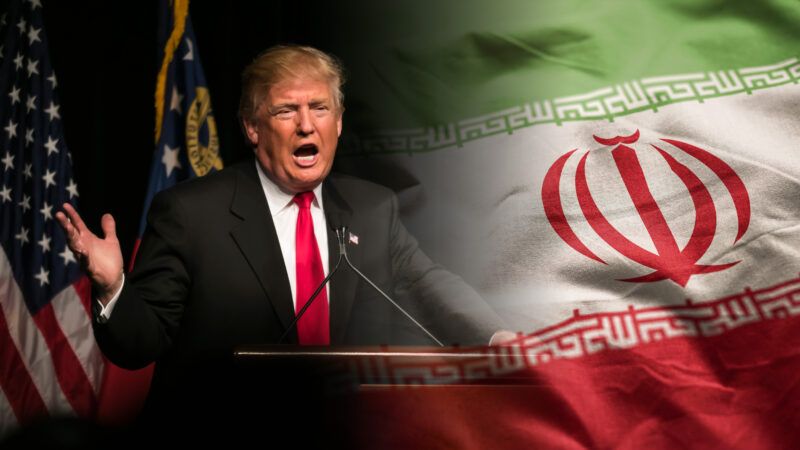
A potential peace deal involving Iran could have significant effects on the global economy, influencing everything from fuel prices to inflation and household budgets.
One of the biggest areas affected is the energy market. Iran is located near the Strait of Hormuz, a critical shipping route through which a large portion of the world’s oil and natural gas passes. A lasting peace agreement could help keep this route open and reduce concerns about supply disruptions. As a result, oil prices may fall or stabilize.
Lower oil prices often lead to cheaper fuel, transportation, and shipping costs. This can eventually reduce pressure on businesses and consumers, making goods and services less expensive than they would otherwise be.
However, any financial relief is unlikely to happen overnight. Economists warn that inflation remains a concern in many countries, and central banks may continue to keep interest rates high despite the peace agreement. Previous increases in energy costs have already affected prices across the economy.
Food prices could also be affected. Lower energy and transportation costs may help reduce some pressure on food supply chains, although experts say it could take months before consumers notice any significant changes at supermarkets.
For investors, markets generally welcome greater stability. Stocks may benefit from reduced geopolitical tensions, while oil and energy markets could experience lower volatility. Nevertheless, financial experts caution that the long-term impact will depend on whether the peace agreement holds and how quickly damaged infrastructure and supply chains recover.
For ordinary households, the key takeaway is simple: a successful and lasting Iran peace deal could help ease pressure on fuel costs, inflation, and the cost of living. But any benefits are likely to appear gradually rather than immediately.
Source:https://www.bbc.com/news/articles/c4g5574pwreo?at_medium=RSS&at_campaign=rss